
Brazilian Customs Seizes 448 kg of Cocaine in Two Operations at the Port of Santos
Brazilian Customs Seizes 448 kg of Cocaine in Two Operations at the Port of Santos
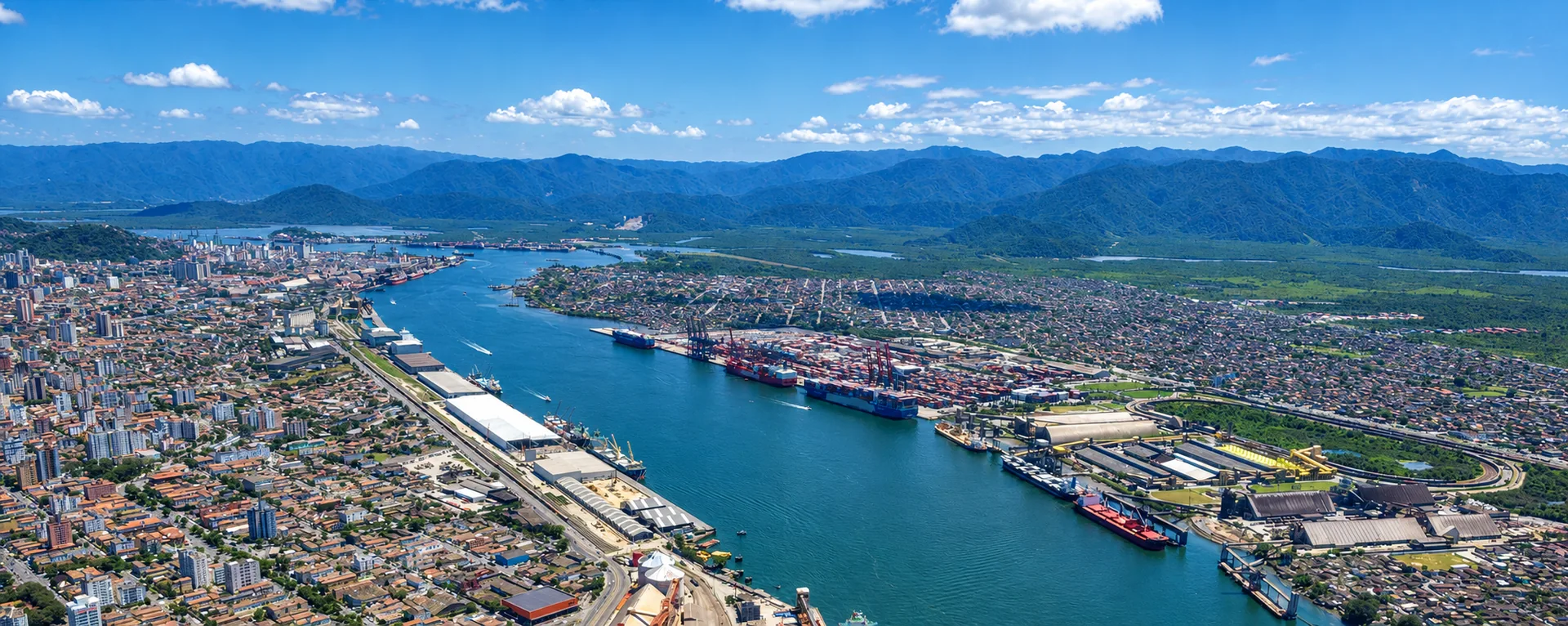
Brazil's Federal Revenue Service (Receita Federal) seized 448 kilograms of cocaine during two separate enforcement operations carried out on July 6 at the Port of Santos, the largest port complex in Latin America. The seizures highlight the critical role of customs inspections in preventing international drug trafficking through Brazil's export network.
In the first operation, customs officers discovered 11 kilograms of cocaine during an inspection aboard a vessel berthed at the port. In the second operation, an additional 437 kilograms were found concealed inside a shipment of scrap metal scheduled for export to the United Arab Emirates.
Following the seizures, the Brazilian Federal Police assumed responsibility for the criminal investigation to identify those involved and determine how the narcotics entered the export supply chain. The investigation will focus on uncovering the individuals responsible for the attempted international shipment.
The operations demonstrate the importance of coordinated action between customs authorities and law enforcement agencies in protecting international trade. Thorough customs inspections, operational intelligence, and continuous monitoring remain essential tools for preventing illicit activities and safeguarding cargo integrity.
As Brazil's busiest port, the Port of Santos plays a strategic role in global commerce. Strengthening security procedures, operational controls, and interagency cooperation continues to be fundamental to protecting supply chains, combating transnational crime, and maintaining confidence in Brazilian port operations.
Other Articles
Brazilian Customs Finds 43 kg of Cocaine Hidden in Container Structure at the Port of Santos
Brazil's Federal Revenue Service (Receita Federal) seized approximately 43 kilograms of cocaine concealed within the structure of a container at the Port of Santos, on the coast of São Paulo. The case...
Former Port Terminal Manager Sentenced for Facilitating 416 kg Cocaine Shipment Through the Port of Santos
Federal court ruling highlights the importance of operational controls and supply chain security in export logistics.A Brazilian Federal Court has sentenced a former manager of a logistics terminal li...